Agriculture (Animal Farming + Horticulture)

Lighting and control systems built to withstand agricultural challenges — and enhance performance.
From barns and stables to greenhouses and vertical farms, agricultural environments demand specialized lighting and automation that can endure humidity, dust, ammonia, and fluctuating temperatures — all while supporting animal welfare, plant health, and energy savings.
Why It Matters
Built to Perform
IP-rated and chemical-resistant materials for demanding environments
Smart scheduling and remote control for efficient operation
Long lifespan and low maintenance – even in humid or corrosive spaces
Trusted in over 75 countries by agricultural professionals and integrators
Discover how our high-performance lighting can transform your farm operations.
Luminaires for animal farming
Biologically optimized lighting for healthier, more productive farms
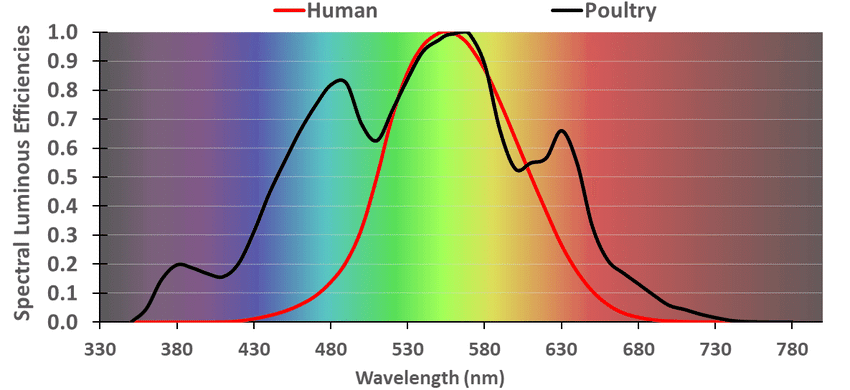
Light plays a vital role in regulating biological rhythms and behavior in both animals and humans. While traditional artificial lighting systems are typically designed for human visual comfort, different animal species respond to light in their own unique ways — with specific sensitivities to certain wavelengths.
That’s why we develop spectral configurations and lighting technologies tailored to the biological needs of livestock. By aligning lighting design with the physiological and behavioral characteristics of animals, we help improve animal well-being, reduce stress, and support more efficient farm operations.
When paired with a smart control system, these lighting solutions can simulate natural day-night cycles, support animal growth and reproductive patterns, and contribute to reduced energy use.
Poultry have a wider visual range than humans — including the ability to see ultraviolet light — allowing them to detect colors and wavelengths beyond human perception. They also process visual information at much higher frequencies. These key biological differences make species-specific lighting essential in poultry environments.
Our flicker-free dimming technology helps create a calmer atmosphere inside poultry houses, reducing stress levels significantly — particularly during periods of handling. Independent studies have shown that lower stress leads to decreased mortality rates and less cannibalistic behavior.
Each of our lighting solutions is engineered to deliver an optimal light spectrum tailored to the visual and biological needs of poultry.
Broiler Chickens
Natural daylight serves as the foundation for proper poultry breeding, as it aligns with the lighting needs of broiler chickens throughout their entire life cycle.
Animal welfare is a key consideration in broiler production. Lighting with a tailored light spectrum supports optimal visual clarity for poultry, enhancing comfort and reducing stress.
Laying Hens
Animal-specific lighting — especially in laying hen environments — can have a substantial impact on bird health, overall well-being, and consistent egg-laying performance.
Breeding Hens
By aligning lighting strategies with the birds’ biological rhythms and reproductive cycles, breeder operations can improve flock health, enhance productivity, and support overall animal welfare.
Turkeys
Implementing species-specific lighting solutions helps turkey farms enhance flock welfare, support healthy development, and improve productivity — contributing to better operational outcomes and profitability.
Animal-specific lighting helps create a more natural and calming environment for cattle, reducing stress-related behaviors. It enhances their ability to perceive their surroundings, contributing to a greater sense of comfort and security.
Proper lighting can also support reproductive health and weight gain, while contributing to increased milk yield and improved milk quality.
Even for pasture-based cattle operations, there are critical periods when indoor lighting plays a vital role — including winter housing, early-morning or late-evening milking, veterinary procedures, and controlled feeding or resting. Properly designed lighting systems in barns or shelters help maintain consistent management routines, reduce stress during handling, and support optimal animal welfare and productivity regardless of natural daylight availability.
Benefits for cattle
Spectral ocular sensitivity of cattle compared to humans
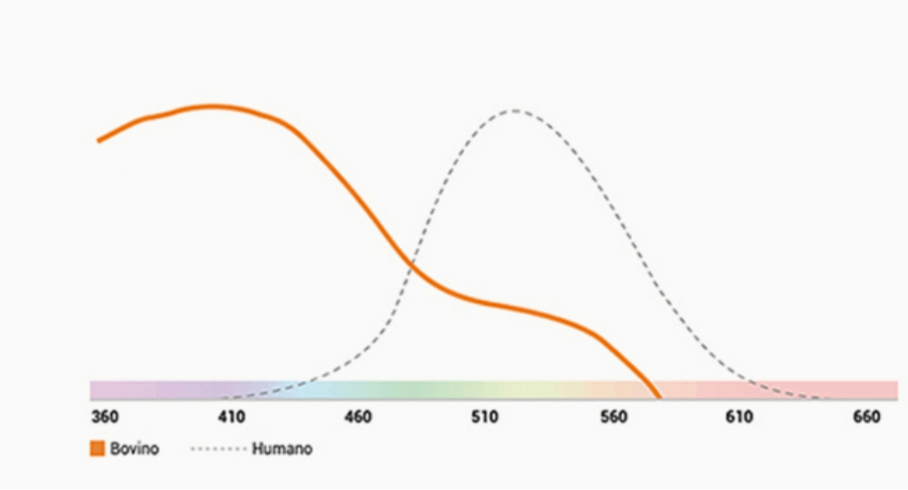
A species-appropriate lighting strategy encourages natural behaviors and daily activity patterns. Adjusted light levels play a key role in supporting animal comfort and well-being.
Lighting influences biological rhythms, metabolism, reproduction, growth, and stress. Animal-centric lighting promotes healthier, more productive livestock by enhancing both welfare and development.
Benefits for pigs
Spectral ocular sensitivity of pigs compared to humans
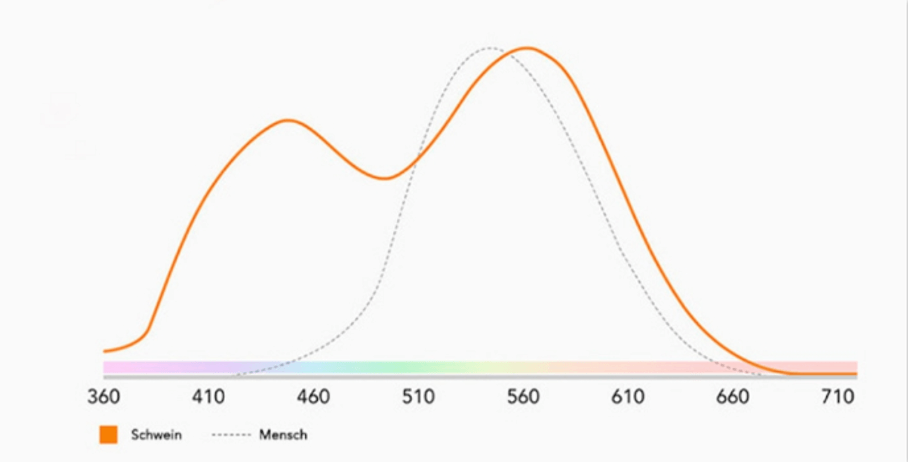
See how biologically optimized lighting improves animal health and productivity.
Luminaires for horticulture
Crop-specific light spectrum maximise quality and growth in greenhouses.
Horticultural Lighting Solutions
High-quality greenhouse vegetables, vibrant flowers, and aromatic herbs thrive best in optimized environments — and lighting plays a key role in making that possible.
Greenhouses require luminaires designed for exceptional uniformity, energy efficiency, and long operational life. Tailored light spectra help each plant variety reach its full potential by delivering the right wavelengths throughout the year.
We’ll help you select the optimal spectrum for each crop. Our lighting systems are suitable for all types of cultivation — from traditional glass greenhouses to advanced vertical farming setups and more.
Artificial lighting enables efficient fruit and vegetable cultivation year-round — regardless of season, weather, or geographic location — by ensuring full environmental control and maximizing crop performance.
With consistent, spectrum-optimized lighting, plants grow faster, shortening the time to harvest and increasing overall productivity.
Information on light spectrums for fruits and vegetables
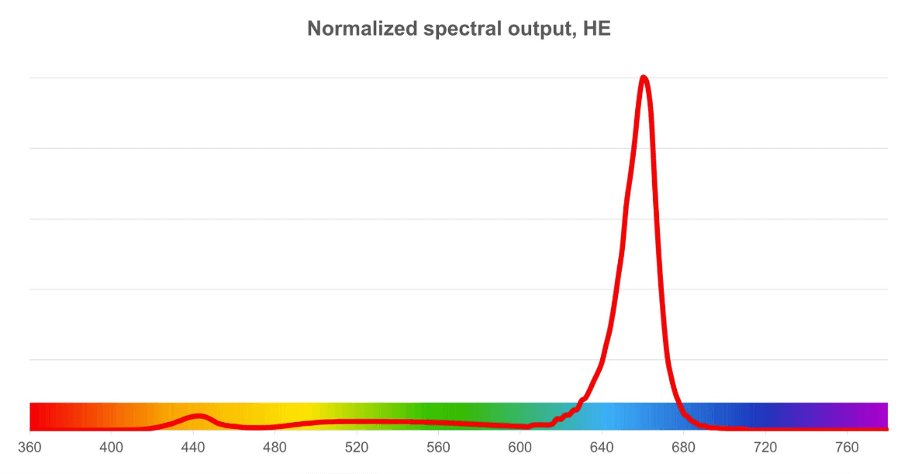
Tomatoes
Supplemental artificial lighting in tomato production promotes stronger early-stage growth by allowing precise control over light intensity and spectrum. This targeted approach improves overall growing efficiency.
Increased light exposure enhances photosynthesis, resulting in higher yields and improved fruit quality.
Peppers
Optimized lighting in pepper cultivation supports plant development, improves crop quality, and increases yields.
Proper artificial lighting during the cultivation of potted plants and cut flowers supports photosynthesis, resulting in healthier, more resilient, and visually appealing plants.
Using artificial lighting for seed cultivation provides optimal conditions for stronger seedlings and improved crop yields. With the proper light spectrum and timing, growth cycles can be adjusted to align with your desired harvest schedule.
Maximize your crop growth with our tailored horticultural lighting solutions.